Underestimating Your True Construction Costs
One of the most financially damaging errors homeowners make is failing to create a realistic, detailed budget before breaking ground. Many people focus solely on base construction costs without accounting for the numerous additional expenses that arise during the building process. Site preparation, permit fees, utility connections, landscaping, and interior finishes can add 20-30% to your initial estimates.
In Tucson’s unique desert climate, specific considerations like proper grading for monsoon drainage, upgraded HVAC systems to handle extreme summer temperatures, and specialized foundation work for caliche soil conditions require careful financial planning. Without a contingency fund of at least 10-15%, unexpected geological surveys or utility line extensions can derail your entire project.
Working with experienced professionals who understand local building requirements helps you develop accurate projections from the start. Request itemized quotes that break down material and labor costs separately, and always verify that estimates include Arizona-specific requirements like energy-efficient windows and proper insulation ratings for our climate zone.
Sacrificing Builder Expertise for a Prestigious Address
While securing your ideal lot in a desirable neighborhood feels exciting, stretching your budget solely for location and then compromising on construction quality creates long-term problems. A beautiful address loses its appeal when you’re dealing with structural issues, substandard materials, or ongoing repair needs that could have been prevented with proper craftsmanship.
In communities throughout Oro Valley, Marana, and Vail, homes built with quality materials and skilled labor maintain their value far better than poorly constructed properties in premium locations. The desert environment demands durable exterior finishes that withstand intense UV exposure, materials that expand and contract properly with our dramatic temperature swings, and roofing systems designed for both intense heat and occasional severe weather.
Balance location desires with construction quality by thoroughly vetting potential builders before making commitments. Review previous projects, verify licensing and insurance, and ask detailed questions about material selections and construction methods. The right builder will help you maximize value within your budget rather than cutting corners to meet arbitrary price points.
Designing Only for Your Current Lifestyle
Building a home that perfectly suits your current situation without considering how your needs might evolve costs homeowners significantly when circumstances change. Whether planning for growing families, aging in place, remote work requirements, or changing mobility needs, incorporating flexibility during initial construction is exponentially more affordable than major renovations later.
Simple design choices during the planning phase create adaptable spaces without excessive upfront costs. Pre-wiring for future technology upgrades, designing bathrooms that can accommodate accessibility modifications, including flexible room configurations, and planning for potential additions save thousands compared to retrofitting these features years later.
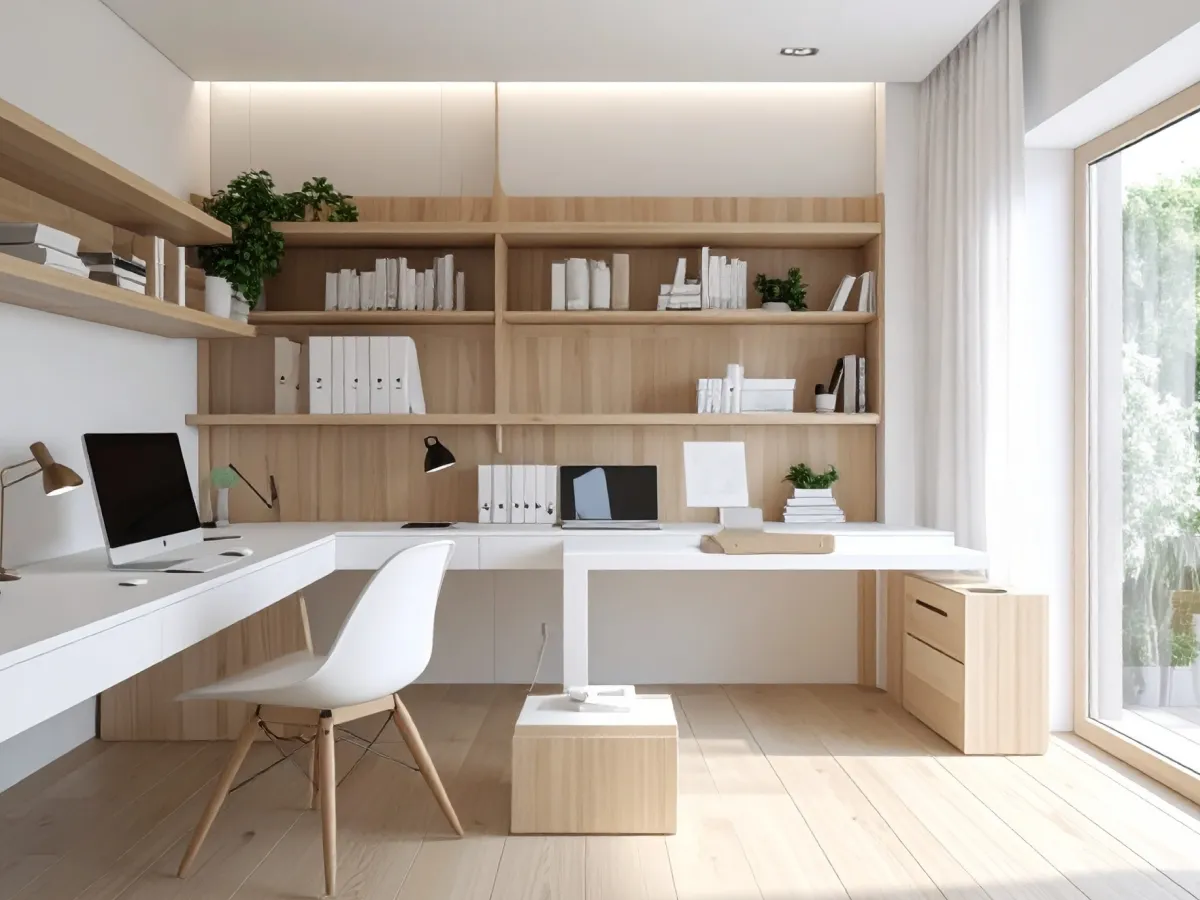
Many Tucson homeowners now prioritize outdoor living spaces that function year-round, home offices with proper infrastructure, and casita options for guests or multi-generational living arrangements. These considerations reflect our local lifestyle patterns and climate advantages. Discussing long-term plans with your design team during initial consultations ensures your floor plan accommodates future adjustments without requiring structural modifications.
Moving Forward Before Finalizing Plans
The pressure to start construction quickly leads many homeowners to approve incomplete or insufficiently detailed plans, resulting in expensive change orders, construction delays, and compromised final results. Every modification made after construction begins costs significantly more than adjustments during the design phase, both in materials and labor.
Thorough planning includes finalizing electrical outlet locations, light fixture selections, plumbing fixture positions, built-in furniture specifications, and finish material choices before your builder orders materials or schedules subcontractors. Seemingly minor decisions about cabinet depths, window placements, or doorway widths affect multiple trades and require coordination across your entire construction timeline.
Take time to virtually walk through your floor plan, considering daily routines and traffic patterns. Visualize furniture placement, storage needs, and how natural light moves through spaces during different times of day. In our region, southern exposure requires careful window planning to balance natural light with heat management. Investing additional weeks in design refinement prevents months of frustration and thousands in modification costs during construction. Professional project management ensures all these details are coordinated properly before work begins.
Minimizing Insulation and Climate Control Investments
Cutting costs on insulation, windows, and HVAC systems to meet budget targets creates ongoing expenses that far exceed initial savings. In Arizona’s extreme climate, where summer temperatures regularly exceed 100 degrees and winter nights drop below freezing, inadequate thermal protection results in uncomfortable living conditions and utility bills that strain monthly budgets indefinitely.
Quality insulation in walls, attics, and around ductwork, along with properly rated windows and doors, creates thermal barriers that reduce cooling and heating loads substantially. High-efficiency HVAC systems sized appropriately for your square footage and insulation levels operate more effectively and last longer than undersized or lower-quality alternatives. These investments typically pay for themselves within five to seven years through reduced energy consumption.
Beyond financial considerations, inadequate climate control affects daily comfort and indoor air quality. Proper ventilation systems, humidity management, and air filtration become increasingly important as homes are built tighter for energy efficiency. Working with builders who prioritize these systems ensures your home remains comfortable and efficient throughout its lifespan. Consider solar panel infrastructure during initial construction, as pre-wiring and structural considerations cost far less than retrofitting later.